
The Perfect Gin & Tonic
The Origin of Gin
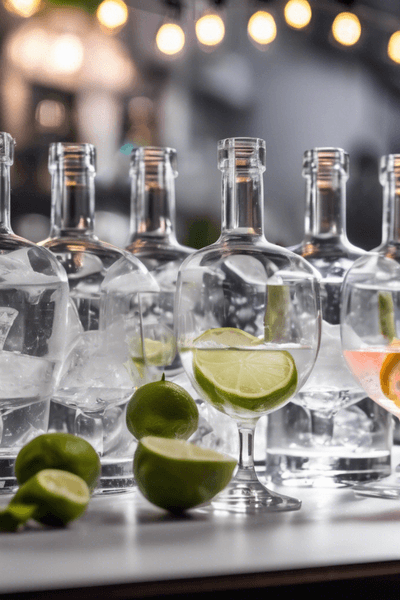
Gin’s story is one of war, medicine, and a little bit of chaos. It all started in 16th-century Holland, where Dutch chemists distilled a juniper-infused spirit called jenever. Originally intended as medicine (because why not?), it was believed to cure everything from stomach issues to the plague.
Enter the English soldiers—fighting alongside the Dutch in the Eighty Years' War. Before battle, they noticed their allies knocking back shots of jenever for a bit of "Dutch Courage." Intrigued, the English brought the spirit back home, where it quickly became a sensation.
By the early 1700s, London was drowning in gin. Everyone and their grandmother started distilling their own, leading to the infamous Gin Craze—a time when gin was cheaper than beer, and public drunkenness reached legendary levels.
Over time, the wild days of gin smuggling and debauchery faded, and the drink evolved into the refined, botanical-rich spirit we know today. From classic London Dry Gin to experimental craft gins, this once-controversial spirit is now a staple of sophisticated cocktails worldwide. Cheers to history!
How to make the perfect Gin & Tonic
The perfect gin and tonic is all about balance—choosing the right gin, tonic, and garnishes to enhance the botanicals. Here's how to craft the ultimate G&T:
Ingredients
50ml premium gin (choose based on botanical preferences)
150ml high-quality tonic water (avoid overly sweet or artificial tonics)
Plenty of ice (large, solid cubes to slow dilution)
Garnish (tailor to your gin’s botanicals)
Method
Chill Your Glass – Place your glass in the freezer or fill it with ice for a minute, then discard any melted water.
Add Ice – Fill the glass to the top with fresh, large ice cubes to keep the drink cold and undiluted.
Pour the Gin – Measure 50ml of your favorite gin and pour it over the ice.
Top with Tonic – Slowly add 150ml of tonic water (ideally chilled) to maintain carbonation. Use a bar spoon to gently mix without losing bubbles.
Garnish to Complement the Gin
Citrus-forward gins → Lemon, lime, or grapefruit slice
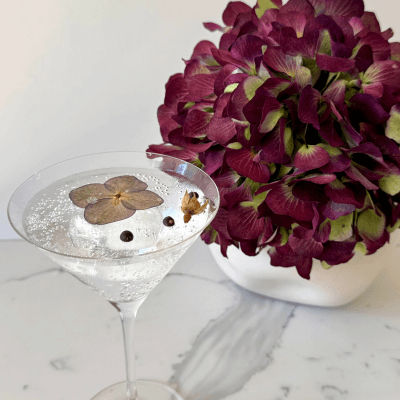
Floral gins → Edible flowers, lavender, or hibiscus
Spiced gins → Cardamom pods, pink peppercorns, or cinnamon
Herbal gins → Rosemary, thyme, or basil
Enjoy! – Sip and appreciate the botanicals coming to life.
Experiment with ratios to suit your taste. Some prefer a 2:1 tonic-to-gin ratio, while others go for a drier mix.


Comments